

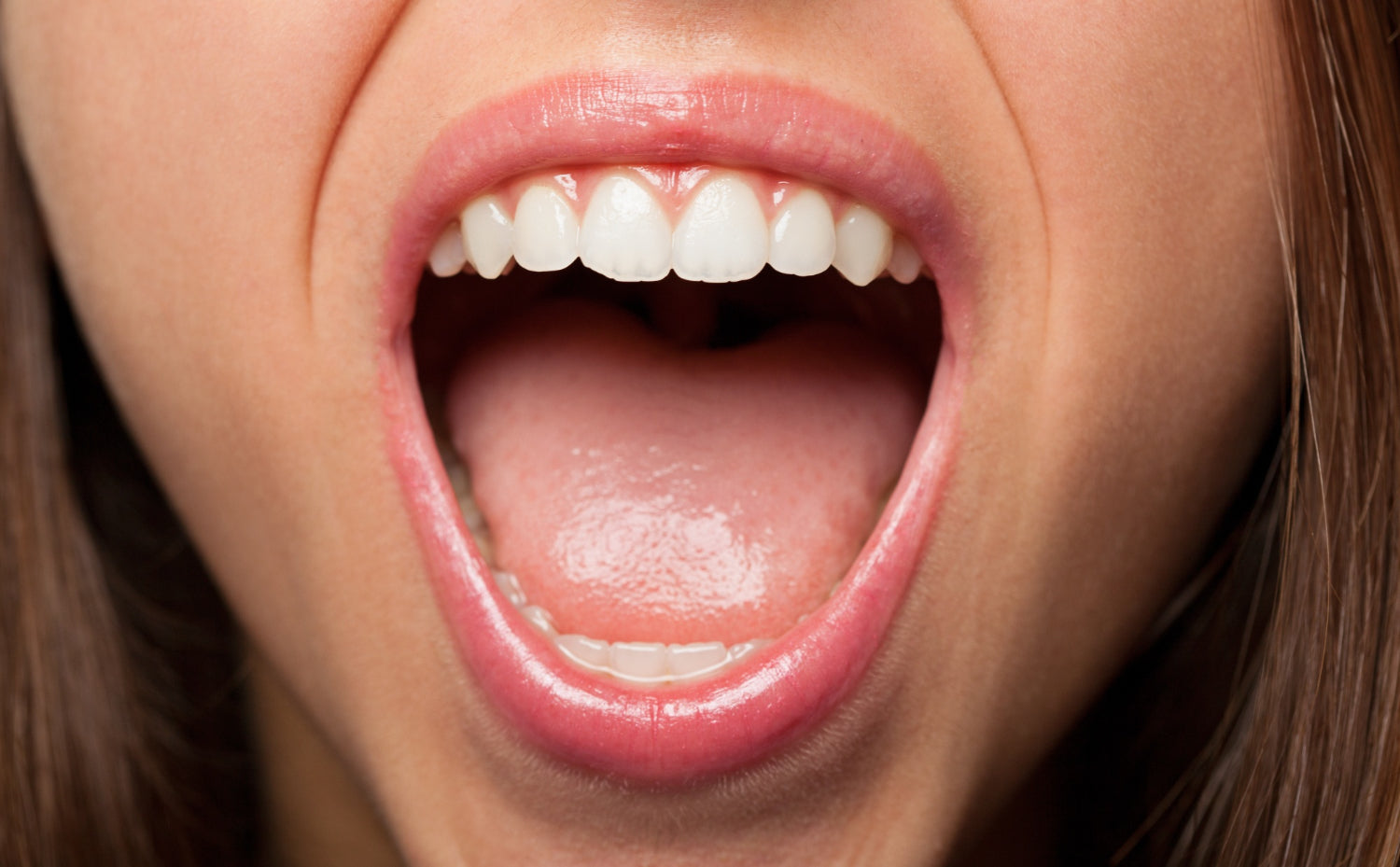
Teeth Grinding and Clenching
Teeth grinding and clenching have become increasingly common in today’s “always on” world. While there can be many contributing factors, stress is one of the most significant. Over time, this constant jaw tension can lead to pain, dental damage and changes in facial shape – often without you realising it’s happening.
wHAT’S INVOLVED?
Treatment begins with a thorough assessment of your symptoms, jaw muscles and contributing factors. procedure is quick, well tolerated and requires little to no downtime.
What is teeth grinding?
Bruxism is defined as a parafunctional movement disorder, characterised by the involuntary clenching and/or grinding of teeth, usually while asleep. Extremely heavy forces can be exerted on the teeth during this process, ranging from the 5-25kg observed during normal function, such as eating, to 125kg noted during such involuntary biting. Some studies have even reported a maximum biting force of almost 450kg, demonstrating just how strong the muscles that close your jaw can be.
During normal function, such as speech and eating, a person will generally only expose their teeth to the heavy forces for a maximum of 17 minutes a day, therefore patients that suffer from bruxism may subject their teeth to substantially heavy forces for far lengthier periods of time than a non-bruxist.
When is teeth grinding a problem?
When you clench or grind your teeth at night time, you have no control over it, and are unable to reduce or stop the habit. Many patients find themselves clenching during the daytime as well, while concentrating or even when daydreaming. This almost continuous tension in the jaw can lead to jaw, facial and neck pain. Your dentist may ask you if you are aware of a habit like this, as it can be associated with ridges on the side of your tongue, crack lines and chips on your teeth, broken fillings, or temporary dental restorations repeatedly falling out.
There are also cases of teeth splitting and requiring removal, broken veneers, crowns and even fracture of titanium dental implants. When you dentist has noticed signs like this, or you feel headaches or jaw pain may be related to a habit like this, it can be a good idea to have an assessment.
Unfortunately, some patients only become aware of the problem after breaking a tooth or dental restoration.
What causes teeth grinding?
There is rarely a single cause. Teeth grinding is often influenced by a combination of factors, including:
- Stress and anxiety, particularly during demanding or emotionally challenging periods
- Lifestyle factors, such as high caffeine intake, nicotine or alcohol
- Certain medications, including some antidepressants
- Medical or neurological factors
- Bite or alignment issues, where the teeth do not meet comfortably
- Retainers or orthodontic treatment can also cause teeth to grind
Because not all contributing factors can be eliminated immediately, treatment often focuses on reducing symptoms, protecting the teeth and easing muscle strain.
Can teeth clenching and grinding affect the appearance of your face?
Fracture of teeth, fillings, crowns and even dental implants occurs over time, along with extensive wear of the teeth. This can cause a collapse of the mouth area, shortening the length of the face , and putting pressure on the jaw joint (temporomandibular joint). The muscles themselves also can grow larger (from all the exercise!) and the lower face can become wider, and give a strange, square shape to a male face, and masculinise a female face.
Dr Jennifer Owens has suffered from bruxism herself, and it is a particular passion of hers. She assesses each patient individually, and creates a treatment plan to address symptoms, and prevent further wear. This includes some or all of the following, depending on patient need:
- Nightguard
- Dietary supplements
- Referral for physical and other therapies
- Course of muscle relaxing injections
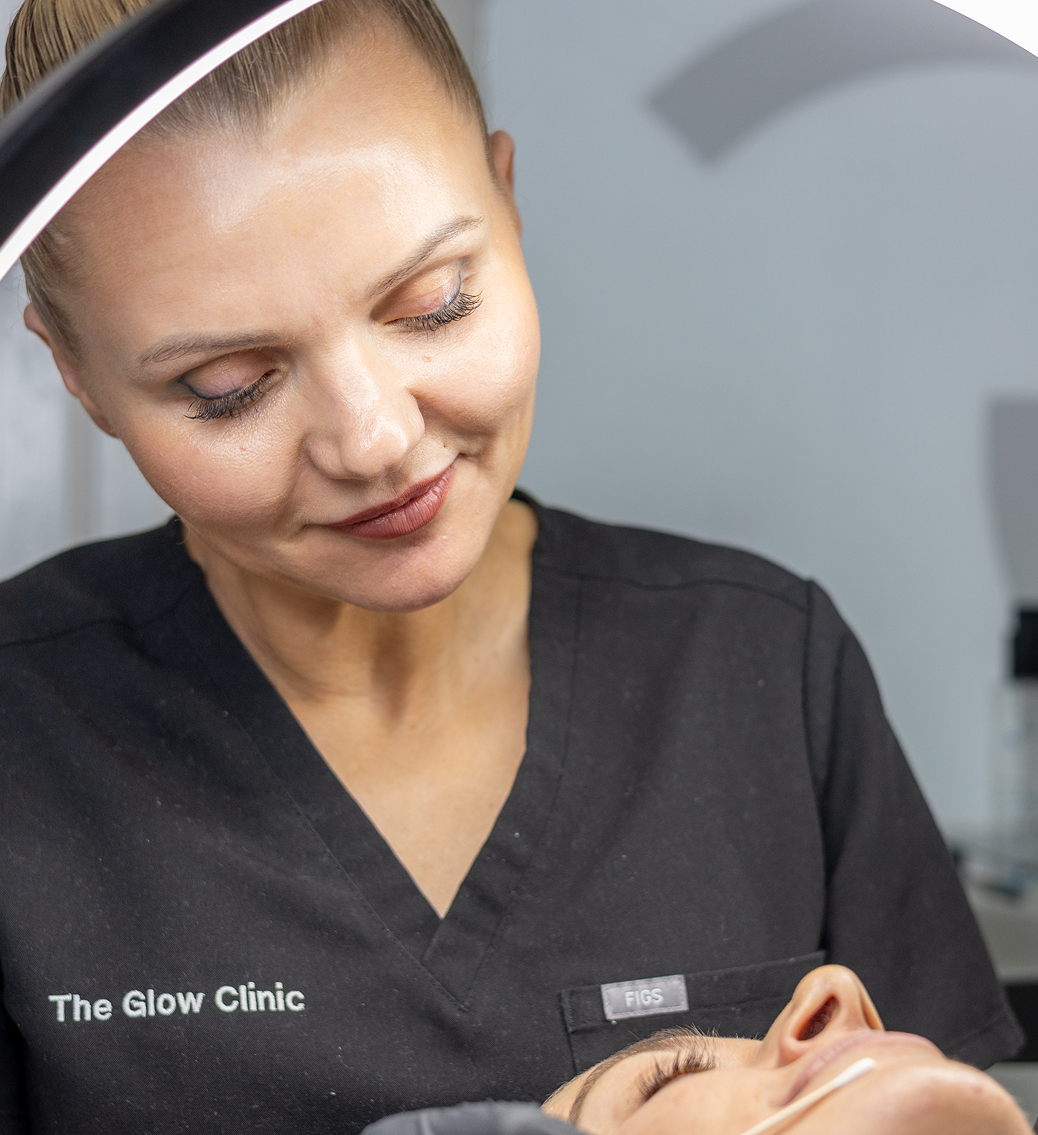
We’re here to listen, guide and support you every step of the way. Whether you’re focused on prevention or deeper correction, your glow starts with a single step.
We're here to help
Frequently asked questions
Before you book, you may have a few questions about results, timing and what to expect. These quick FAQs cover the essentials and help you feel confident about your next step.
Most commonly known as “botox”, these injections are a prescription only product, and reduce the contraction of muscles in the targeted area. This helps overworked muscles to relax, and stop contracting so much. A consultation is required before any treatment can be advised.
No. Very tiny needles are used, and most patients hardly feel the injections. Topical anaesthetic is also available if required.
Immediately following anti-wrinkle or muscle relaxing injections, you may have some small red bumps, but these usually settle within minutes, and you are free to go back to work and carry on with your day. You are strongly advised against flying for 72 hours following treatment. If you have been experiencing facial pain or headaches, these may increase for a couple of days following the injection.
It can take up to two weeks for the injections to fully take effect. Usually, patients have a reduction in symptoms such as jaw tension or pain by day seven. Slimming of the lower face can take six to eight weeks, depending on how large the muscle was to begin with.
Not necessarily. A course of three to four sessions is advised for symptomatic pain, tension, and tooth pain over a one year period. Facial slimming may be a bit different, depending on your concern. Each patient is assessed individually at their consultation, and the possible treatment period for you specifically will be advised.
The Glow Clinic
View All Treatments
View All Treatments
Not sure which treatment is right for you? Explore our full range of skin, laser and injectable treatments, each designed to support different concerns and goals. From glow-boosting facials to advanced corrective options, you’ll find treatments tailored to every stage of your skin journey.
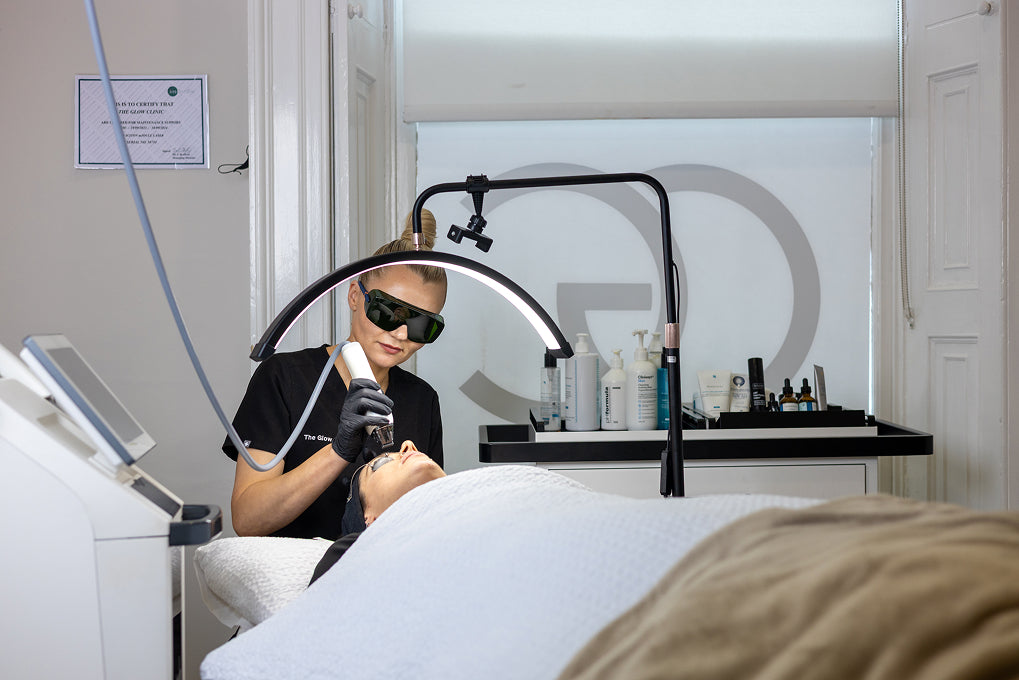
Your Journey to Radiant Skin Starts Now
Ready to glow? Book your consultation or treatment
now and begin your personalised journey.