

Written and reviewed by Dr Jen Owens, Clinical Director, The Glow Clinic · Last reviewed: November 2026
TLDR
Botulinum toxins, frequently referred to as Botox, are a class of prescription-only medications in Ireland. Only a registered doctor, dentist or nurse prescriber can prescribe them, and they should be given by a registered medical professional. Dermal fillers are not prescription-only, so in Ireland anyone can legally inject them, with no medical qualification needed. The main drug used to manage the more severe complications that can occur with dermal filler is prescription-only, leading to a scenario where anyone can inject and cause these complications, but they cannot legally treat or manage them. Regulation of who practises aesthetic medicine or what type of premises treatments are carried out in does not exist at all, and only regulated medical professionals, such as doctors, dentists and nurses, are held to professional standards.
Why are the two injectables treated differently?
Botulinum toxins are classed as medicines, so they fall under medicines law and the HPRA. First used in patients in the late 1970s to treat squint, and later blepharospasm, under the name Oculinum, botulinum toxin A drugs have a multitude of medical applications, and their use has grown hugely over the last decade. There are now six botulinum toxin type A brands licensed and available for cosmetic use in the Republic of Ireland, with a new, shorter-acting botulinum toxin E already approved in Europe and expected to arrive here soon. In The Glow Clinic, we refer to these as muscle relaxants, as this is how these drugs are frequently applied in practice and it explains the mode of action most clearly. They can also be used in treating excessive sweating, facial and muscular pain, including migraine.
Because muscle relaxants are prescription-only medicines, every treatment should begin with a prescriber. That means a doctor, dentist or nurse prescriber who has assessed you in person and decided the treatment is right for you. The injection itself should then be carried out by that prescriber, or by a registered medical professional working under their direct instruction. If you aren't sure who has prescribed your treatment, or whether the person injecting you is on a professional register, it's always fine to ask, and a good clinic will be glad you did.
Dermal fillers are far less regulated, and are classed as a medical device rather than a prescription-only medication, so in Ireland anyone can inject them, with no medical qualification needed. The rules cover the product itself (it must be CE-marked) but not who injects it or where. The result is that the product is somewhat regulated but the person using it isn't. This truly brings a serious safety concern, as some of the potential risks associated with dermal filler injectable treatments include scarring, vascular occlusion, tissue damage, tissue necrosis and even, in rare cases, blindness.
What isn't regulated at all
There is very little regulation of aesthetic medicine in Ireland. While muscle relaxants remain a drug and certain restrictions apply, there is no licensing of aesthetic medicine practitioners, there is no licensing or inspection of premises where treatments are carried out, and it has led to a very worrying landscape in which cross-infection control and basic standards may not even be thought about in some cases. Professional standards only apply to those on a professional register, such as dentists, doctors and nurses. Anyone outside of this has no regulation whatsoever.
Why this matters
The primary issue here is safety. While dermal filler complications are (thankfully) rare, the complications themselves can be quite serious: vascular occlusion, tissue necrosis and, very rarely, sight loss. The reversal agent required in these cases, hyaluronidase, is a prescription item itself, and this means a non-medical injector cannot legally manage their own complications, not to mind antibiotics or steroids, which may be indicated in certain circumstances. Complications are part and parcel of any medical treatment, and being made fully aware of these is an essential part of someone actually being able to consent to the treatment. There are also complications that can occur with botulinum toxin A, and appropriate management of these can also be assisted with prescription medication.
There is also the risk of unlicensed or counterfeit toxin bought online. The HPRA regularly seizes illegal product, but the deterrents are relatively mild. Just this month, a Dublin beauty clinic owner was ordered to pay €5,000 in fines and costs after importing unlicensed botulinum toxin from South Korea and keeping it for use in her clinic, despite having been warned by the HPRA before (and when you consider what that product could have done to someone's face, it doesn't feel like much of a deterrent, does it?).
Another issue is psychological safety. Deciding whether someone should have a treatment at all is a medical judgement, and it needs a professional who is trained to pick up on the signs of Body Dysmorphic Disorder (and who is comfortable saying no when a treatment isn't in someone's best interest). Appropriate knowledge of anatomy and training (often involving cadaver dissection, particularly in the case of dermal fillers) is the foundation of being able to treat safely, recognise a complication early and manage it properly when it happens, and that simply isn't something a weekend course can replace.
Where things are heading
There are calls for regulation from medical bodies, including the Irish College of Aesthetic Medicine (ICAM), around who is allowed to inject, and advocating for patient safety. The long-awaited Patient Safety (Licensing) Bill could, in time, bring aesthetic clinics under licensing, but it has been in development since 2017 and nothing is in place yet. The Non-surgical Procedures and Functions of Medical Reviewers (Scotland) Bill, which regulates higher-risk cosmetic procedures such as Botox and fillers, has been passed by the Scottish Parliament. Ireland could do the same, but only time will tell if this will become a reality.
As an active, full member of BCAM (the British College of Aesthetic Medicine) and a founding member of ICAM, I am really concerned for the safety of the general public when it comes to medical aesthetics. I think it must be very hard to identify, in this social media world of smoke and mirrors, who is actually safely and ethically able to provide these treatments. Descriptions such as "Harley Street Trained" and "Master Injector" mean absolutely nothing, and "fully trained and insured" is surely something that should go without saying as the very floor of who you could ever think about attending? Your dentist, GP or cardiologist do not advertise that they are "fully trained and insured", as they simply wouldn't be allowed to practise if they were not. Medical professionals are already regulated by their professional bodies, but not specifically when it comes to aesthetic medicine. What I would really like to see is proper regulation of the treatments, who carries them out and where, rather than another regulatory restriction for the already regulated, while outside this realm continues to be the Wild West. I think this could be the single biggest step forward for patient safety in Ireland, and it would make it so much easier for the public to know who they can actually trust with their face.
Safe practitioner checklist
So, before your next appointment, do you actually know who is prescribing your treatment, and would you know what to ask?
- Ask who is prescribing your muscle relaxant, and whether they will assess you in person.
- Ask for their professional registration and look them up on the Medical Council, Dental Council or NMBI register. ICAM also has a Find a Practitioner search.
- Ask about further training, how long they have been practising and professional memberships such as ICAM, BCAM and DANAI (the Dermatology Aesthetic Nurses Association Ireland). BCAM's Vet It Before You Get It campaign has a really useful pre-consultation questionnaire you can bring along (it's UK-based, so just swap in the Irish registers), and Safeskin.ie is a great place to find practitioners whose registration has already been checked for you.
- Ask whether they keep hyaluronidase on site and are trained to use it.
- Ask what product they're using and see the box or batch label.
- Ask what aftercare and complication follow-up looks like.
Frequently asked questions
Is it legal for a beautician to do filler in Ireland?
Yes, unfortunately. Dermal fillers are classed as medical devices rather than medicines, so there is currently no law in Ireland restricting who can inject them.
Can a nurse give muscle relaxants in Ireland?
A registered nurse can administer muscle relaxants under the direction of a doctor or dentist, and a registered nurse prescriber can prescribe them within their scope of practice.
Is it legal to buy Botox online in Ireland?
No. Botulinum toxin is a prescription-only medicine, and it is illegal to supply it without a prescription, so anything being sold to the public online should be treated as unlicensed or counterfeit.
Are dentists allowed to provide aesthetic treatments?
Yes. Dentists can prescribe and administer muscle relaxants, and the Dental Council requires those who do to be appropriately trained, to use authorised products and to obtain informed consent.
How do I know my muscle relaxant is genuine?
Ask your practitioner which brand they're using and ask to see the box. Six brands are currently licensed and available for cosmetic use in Ireland, and a good clinic will have no problem showing you.
About the author
Dr Jen Owens is the founder and Clinical Director of The Glow Clinic, with clinics in Dublin and Cork. She is a dentist registered with the Dental Council of Ireland (registration no. 7611) and holds a Masters in Aesthetic Medicine. Dr Jen is a founding member of the Irish College of Aesthetic Medicine (ICAM), a full member of the British College of Aesthetic Medicine (BCAM), and a member of the Evolus International Faculty, and has spent years training other practitioners in aesthetic medicine. She also practises at Reborn Longevity Hospital in London.
This article is for general information and does not replace a consultation with a registered medical professional. Last reviewed: November 2026.
Read more
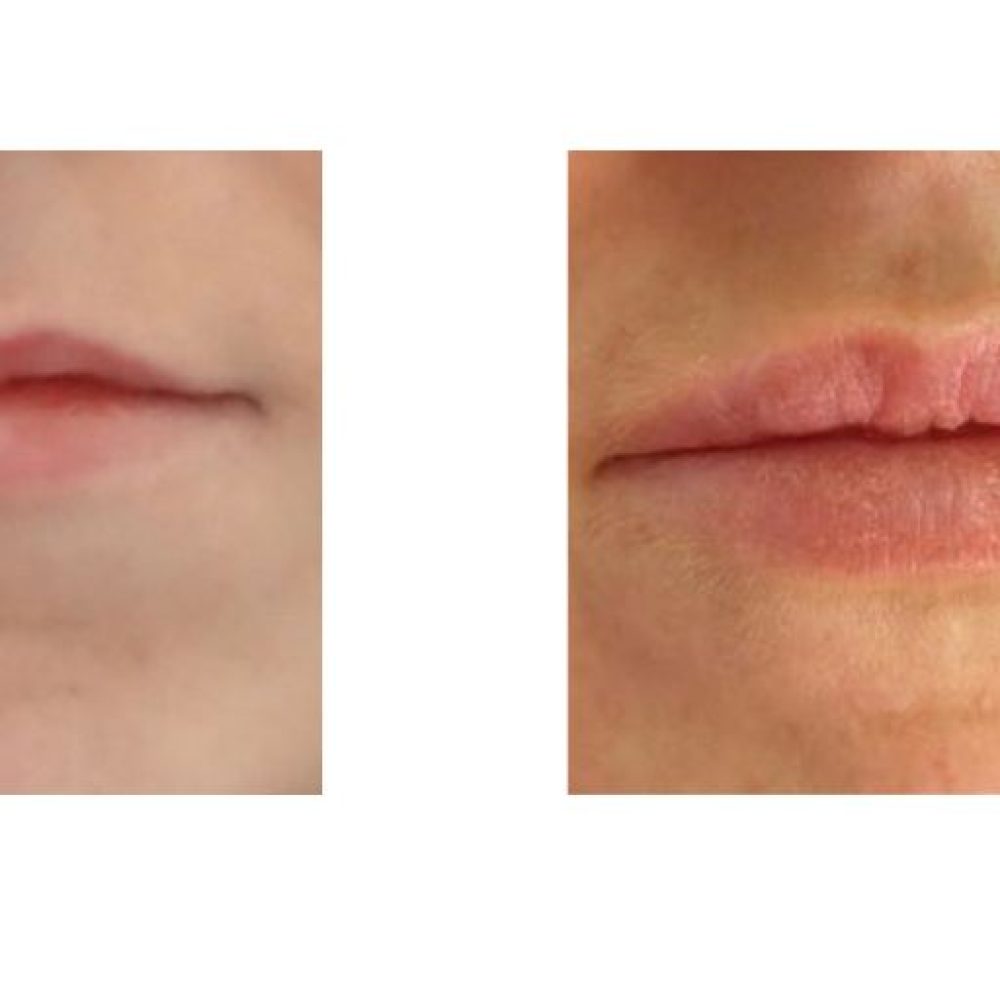
When it comes to aesthetic treatments, lip filler is often met with the most hesitation. Many people fear an overdone look, but the truth is, when administered with expertise, lip filler can offer ...
How do you know the person treating your face is the right one? Dr Jen shares how to check your practitioner, the questions to bring to your first consultation, and the one question almost nobody a...