

3 steps to maximising your collagen
Ageing (and all it's wonderful signs, like lines, wrinkles, sagginess) results in atrophy (thinning) of the skin in all its 3 layers. A big factor on this thinning of the skin is loss of collagen - caused by both a decrease in collagen production and an increase in collagen breakdown. There are a few different stats available on this one, but most recently I read that collagen production decreases by about 1% every year, starting at the ripe old age of 21. This leads to a loss of firmness on the skin - and is one of the reasons that frown lines and other lines start to stay, even when your face is at rest (the skin is essentially less "bouncy" and will not bounce back like it did before). Other factors that reduce collagen levels in the skin include smoking, sun damage, a high sugar diet and exposure to particulate natter (pollution).
So what is collagen? Collagen is a protein that provides structure to many parts of your body, including your bones, skin, tendons and ligaments. There are many different types, some of which include:
TYPE I: skin, tendon, vasculature, organs, bone
TYPE II: cartilage
TYPE III: skin, vasculature, intestine
TYPE IV: basement membranes (skin)
TYPE V: bone, skin, cornea, placenta
90% of the collagen in your body is made up of types I and III, which are the relevant types when it comes to supporting your skin, muscles, bone health, hair and nail growth.
Any attempt at slowing the ageing process must include collagen synthesis. Obviously avoiding sun damage, minimising exposure to pollution (certain sunscreens and sprays can help with this), maintaining a low sugar diet and not smoking is a good place to start. Applying collagen topically will moisturise skin, but the particles are too large to penetrate it. Applying collagen topically has NEVER been shown to stimulate collagen synthesis in the skin!
However, there are ways to increase the collagen levels in your skin. There is a 3 step protocol that I follow to make sure I'm maximising the collagen levels in my skin (also helps hair, nails and generally feeling good!).
Supplementation
Supporting your skin from the inside out is certainly one way to do it. A healthy diet is obviously important, and certain nutrients support collagen formation, such as:
Proline - egg whites, meat, cheese, soy and cabbage
Glycine - gelatin powder, bone broth, legumes, spinach, asparagus
Vitamin C - broccoli, green and red peppers, sweet potatoes, strawberries and oranges
Copper - oysters, nuts, seeds, shitake mushrooms and leafy greens
Vitamin A - beef and lamb liver, cod liver oil, eggs, mackerel, salmon, sweet potato, butternut squash, kale.
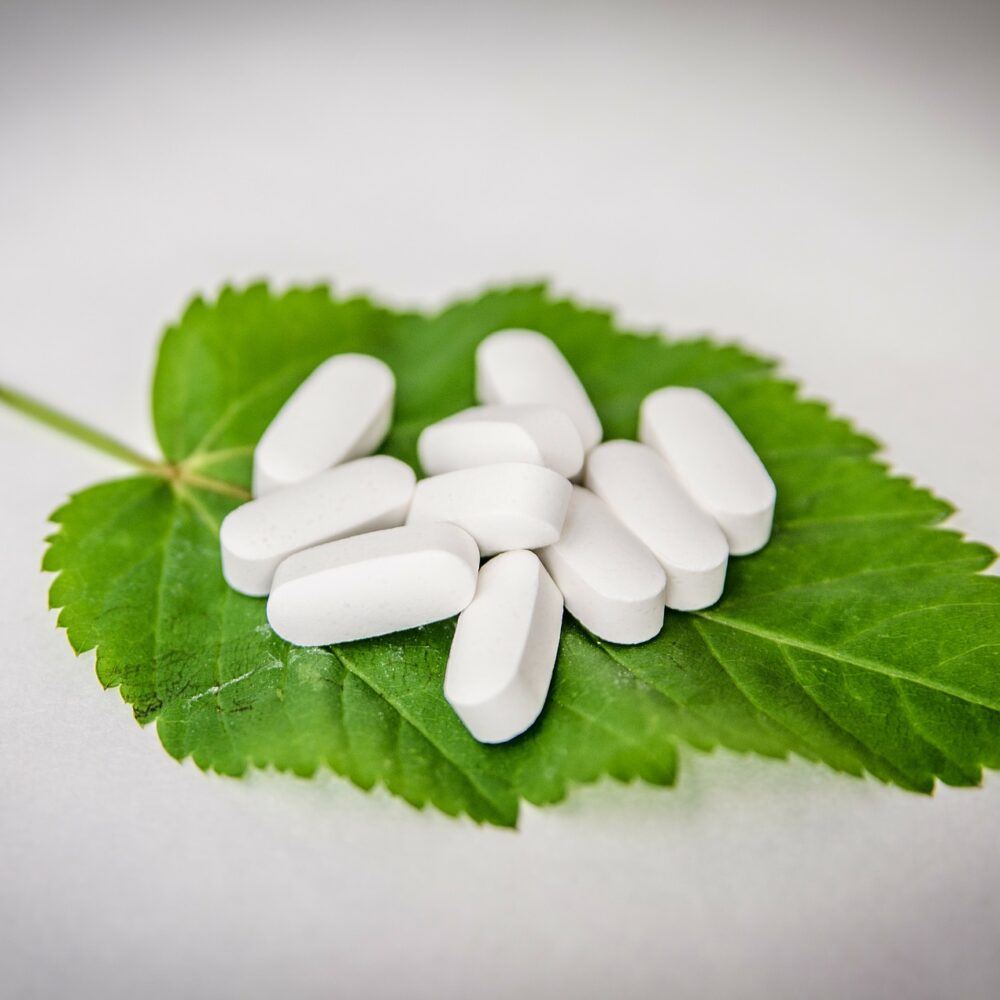
I chose to take a collagen supplement, as I find it hard to consistently eat enough of the above (and aside from burgers, I don't eat a whole lot of meat). Skinade is my supplement of choice, as it contains marine based collagen (the best source for hair, skin and nails), but I have also taken Totally Derma (bovine source of collagen, powder and handy for smoothies), Bulletproof Collagen powder (bovine source once again, but currently impossible to find in Ireland) and a range of different ones from health food shops. Skinade is my favourite because it is so easy to take and contains vitamin C, omega 3s, zinc, sulphur and a whole host of ingredients designed to support your skin. The fact that it is a liquid supplement really makes it stand out from the rest - you absorb about 80-90% of liquid supplements, vs 35-40% of a tablet form. It is not cheap, but it is very good value when you work out what each ingredient would cost, and their clinical trials are impressive. Many of my patients go on a 3 month course of Skinade or another collagen supplement, while having collagen stimulating treatments in clinic and/or using collagen stimulating home care - the combination truly maximises the results, and it is the most effective way to really improve your skin in the shortest amount of time.
*There is currently no vegan or plant source of collagen*
HomeCare
You may not be able to increase the collagen content in your skin with the topical application of collagen, but there are ways around this.
Vitamin C is essential for the production and cross-linking of collagen, is a powerful antioxidant and anti-inflammatory, stimulates the production of hyaluronic acid and helps brighten and even out skin tone. Young skin has plenty of vitamin C, but this decreases naturally with ageing, and this can be accelerated by UV radiation (sun exposure), pollution and smoking.
The catch is that Vitamin C is a highly unstable molecule and many vitamin C serums oxidise in their bottles - oxidised vitamin C will not provide the skin with the benefits mentioned above. L-ascorbic acid (LAA) is one of the only bioavailable forms of topical vitamin C. Active LAA serums are clear to straw coloured, darker colours indicate oxidation. LAA has the ability to stimulate the production of collagen I and III, as well as enzymes involved in the production of collagen. It also down regulates collagenases - these are enzymes that break down collagen, so it contributes to increased levels of collagen by increasing production and decreasing destruction of collagen in the skin.
Vitamin A is what retinols and retinoiods are derived from. Retinol is one of the most well known ingredients in skincare, and this is in part because of its collagen stimulating property.
Read more
So you have signed up for the Glow Better Sugar Detox, you've eaten the last of the chocolate in the house (necessary, obviously) and now...what do you do? Well, you get prepared of course. Sugar c...
Porridge is one of my all time favourite breakfasts, but with the constant cooking and washing up involved in the current lockdown, a recipe that delivers a few days worth of breakfasts is far mor...